


Protective screens, also known as sneeze guards or acrylic safety barriers, have become a fundamental part of modern workplaces, retail environments, and public spaces. They play a crucial role in safeguarding employees, customers, and visitors from airborne contaminants, ensuring compliance with health and safety regulations, and fostering a sense of security.
However, the effectiveness of protective screens largely depends on their strategic placement.
So, where should you place protective screens?
Simply installing screens without careful consideration of airflow, positioning, and interaction points can diminish their ability to protect people.
In this comprehensive guide, we will explore the best locations to install protective screens for maximum effectiveness, ensuring that businesses and organisations can make the most of their safety measures.

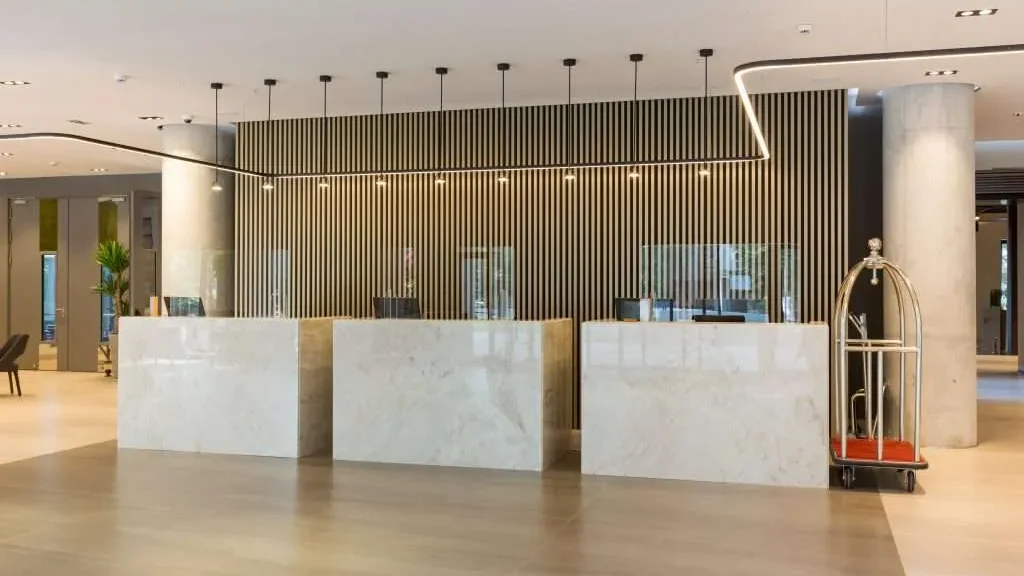
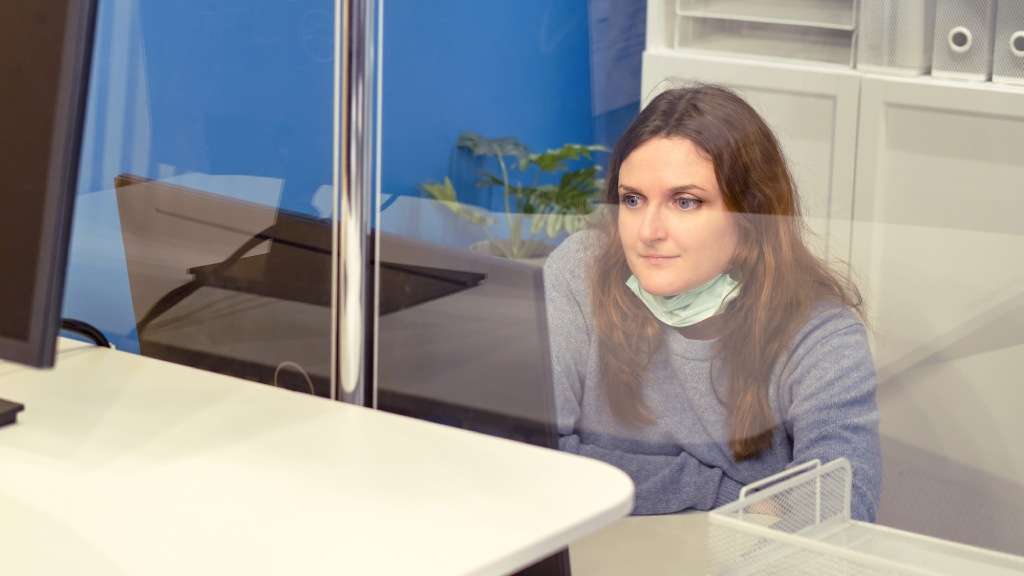
Reception Areas and Welcome Desks
Why? Reception desks and welcome areas are often the first point of contact for visitors, making them high-risk zones for the spread of airborne contaminants. Staff working at reception are regularly exposed to multiple individuals, making protective screens essential.
Best Placement:
- Install a clear acrylic or polycarbonate screen directly on the reception desk to create a physical barrier between staff and visitors.
- Ensure that the screen is tall enough to cover the typical height range of standing individuals while allowing for document exchanges or card payments via a small cut-out at the base.
- Position the screen so that it does not obstruct visibility, allowing staff to communicate effectively with visitors.
❓ Did you know? Many businesses now opt for custom-shaped protective screens to fit specific counters, desks, and reception areas, maximising protection without obstructing visibility or accessibility.
Retail Checkout Counters and Payment Areas
Why? Supermarkets, shops, and retail outlets see a high volume of transactions every day. At checkout counters, staff and customers are in close proximity, increasing the risk of transmission.
Best Placement:
- Screens should be installed between the cashier and the customer, covering the entire width of the counter.
- A small transaction gap at the bottom should be included for card payments and cash exchanges.
- If possible, attach side panels to further prevent airborne particles from travelling sideways between adjacent checkout lanes.
- Maintain adequate ventilation to prevent mist or fogging on the screens.

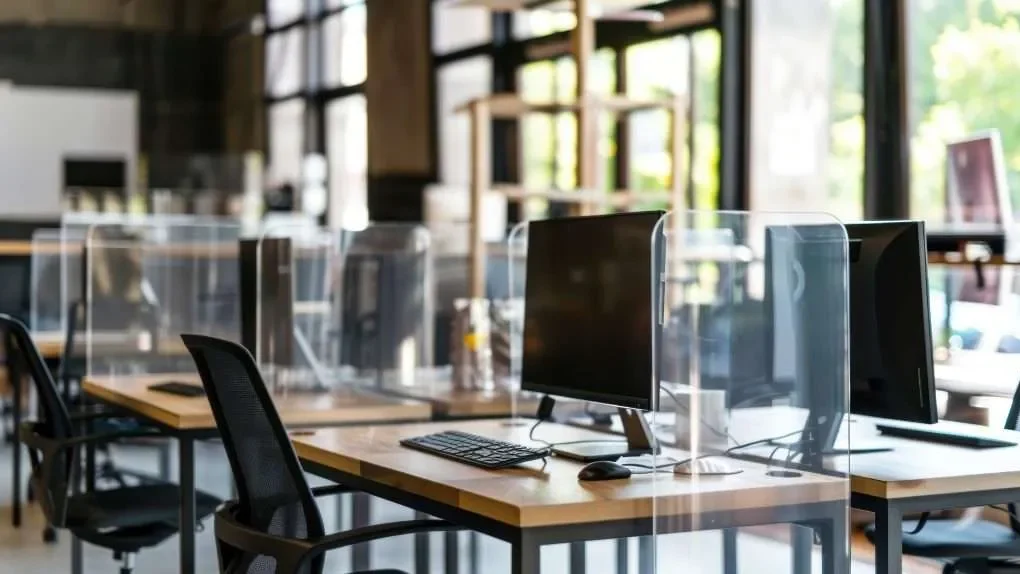
Office Workstations and Open-Plan Desks
Why? Open-plan offices encourage collaboration, but they also pose challenges when it comes to health and safety. Without proper barriers, airborne particles can travel easily between desks.
Best Placement:
- Desk dividers made of acrylic or polycarbonate should be placed between workstations to create individual protective zones.
- Screens should extend above head height when seated to provide maximum coverage.
- Consider mobile partitions that can be repositioned as needed.
- If multiple people share the same desk, screens should be positioned between each individual to create isolated workspaces.
💡 Tip: In open-plan workspaces, use a combination of desk dividers and larger freestanding protective screens to create safe zones without restricting collaboration.
Restaurants, Cafés, and Food Counters
Why? Food establishments must adhere to stringent hygiene and safety protocols. Protective screens prevent contamination between customers and staff, ensuring a safe dining experience.
Best Placement:
- Between dining tables to separate different groups of diners.
- At service counters where customers place orders and collect food.
- Between kitchen staff and front-of-house teams, especially where open kitchens are visible to customers.
- Around self-service areas such as salad bars and buffets to prevent food contamination.

Gyms, Salons, and Personal Care Businesses
Why? Businesses that involve close physical interaction require protective measures to maintain safety without disrupting the customer experience.
Best Placement:
- Between exercise machines in gyms to provide individual workout spaces.
- At reception desks in salons and spas.
- Between hairdressing chairs to create physical separation while allowing conversation.
- Around manicure stations to protect both customers and technicians during treatments.
💡 Tip: Protective screens should be cleaned regularly with a non-abrasive cleaner to prevent scratches and clouding, keeping them crystal-clear and hygienic.

Public Transport and Waiting Areas
Why? Trains, buses, and waiting areas are high-traffic environments where people gather in close proximity. Protective screens can help minimise exposure to airborne germs.
Best Placement:
- Between seats in waiting areas and transport terminals.
- At ticket counters to separate staff from the public.
- On buses and taxis to protect drivers while still allowing clear communication with passengers.

Schools, Universities, and Educational Institutions
Why? Educational settings require protection for both students and staff, especially in classrooms, libraries, and communal areas.
Best Placement:
- Between desks in classrooms to create individual learning spaces.
- Around teacher’s desks and lecture podiums.
- In libraries and study areas, ensuring quiet zones remain safe and accessible.
- At canteen serving stations to maintain food hygiene standards.
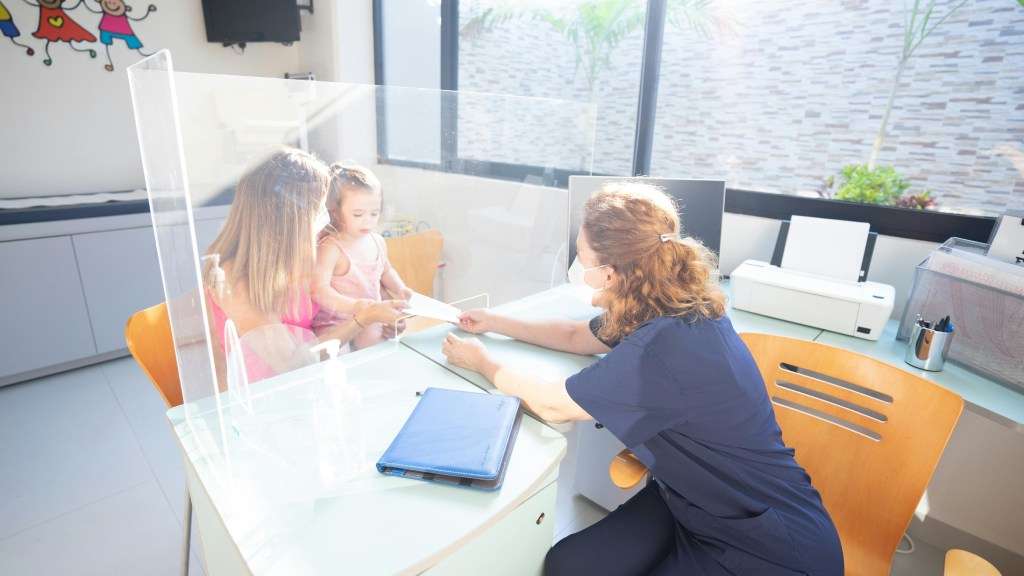
Healthcare Facilities and Pharmacies
Why? Medical environments are at high risk of disease transmission, making protective screens essential in ensuring patient and staff safety.
Best Placement:
- At reception desks in GP surgeries and hospitals.
- Between pharmacy counters and customers.
- In waiting areas to separate patients.
- Around treatment areas where physical distancing may not always be possible.
❓ Did you know? Some protective screens come with built-in antimicrobial coatings that help prevent the growth of bacteria and viruses on the surface, offering extra hygiene benefits.
📖 Read: What Are Protective Screens and Why Are They Essential for Businesses?
Protective screens are a simple yet highly effective safety measure when installed correctly. Strategic placement is key to ensuring maximum effectiveness while maintaining functionality and visual communication. By identifying high-contact areas and installing screens accordingly, businesses and organisations can create a safer environment for employees, customers, and visitors alike. If you’ve been wondering where to place your protective screens and sneeze guards for maximum protection we hope this article has provided you with all the answers.
At Dipec, we specialise in high-quality custom protective screens and sneeze guards, designed to meet the unique needs of your business. Get in touch with us today to discuss bespoke safety solutions tailored to your environment!
FAQs
Protective screens should be strategically positioned in areas where face-to-face interactions are common and where airborne particles are most likely to be transmitted.
Ideal locations include:
Reception areas and front desks – to shield staff and visitors during check-ins.
Retail counters and checkout tills – to protect both cashiers and customers.
Open-plan offices and co-working spaces – between desks to create safer workstations.
Hospitality settings (restaurants, cafés, hotels) – between tables, counters, and customer service points.
Factories and industrial settings – around workstations to reduce exposure to dust and chemicals.
By carefully positioning screens, businesses can minimise risks and create a safer, more hygienic space for employees and customers.
The height of a protective screen is crucial for ensuring it offers maximum protection.
In most cases, screens should:
– Extend above the average head height when seated (around 70-80cm for desks).
– Reach at least 1.8m (6ft) for standing interactions, such as counters or tills.
– Be higher in high-risk environments, such as healthcare facilities or laboratories.
Placing screens too low can reduce their effectiveness, while screens that are too high may obstruct visibility and interaction unnecessarily.
Yes, protective screens can be used effectively in open-plan offices without disrupting communication.
The best approach is to:
Use clear acrylic or polycarbonate screens – maintaining visibility while providing a protective barrier.
Install desktop dividers between workstations – allowing safe interaction without isolation.
Combine fixed and freestanding screens – offering flexibility in layout adjustments.
Ensure ventilation remains effective – by spacing screens appropriately to avoid blocking airflow.
These measures allow teams to work safely without feeling cut off from their colleagues.
Yes, even when separated by a metre or two of distance, protective screens add an extra layer of defence by preventing the direct transmission of airborne particles.
They are particularly beneficial in:
Customer-facing roles where employees interact with different individuals throughout the day.
Environments where distancing is difficult, such as compact offices, reception areas, or retail spaces.
Shared workspaces where employees use the same desks or equipment.
While distancing reduces the risk of transmission, screens provide a physical barrier, significantly lowering the chance of exposure in everyday interactions.
The most effective materials for protective screens include:
Acrylic (Perspex®) – Highly durable, crystal-clear, and easy to clean.
Polycarbonate – More impact-resistant than acrylic, making it ideal for high-traffic areas.
Tempered glass – Scratch-resistant and easy to sanitise, but heavier and more expensive.
PVC and PETG – Lightweight, cost-effective, and flexible for custom applications.
Each material has its own advantages, depending on durability, cost, and aesthetic preferences.
Protective screens must be stable and secure to ensure they provide effective protection.
The best methods include:
Clamp-mounted or bracket-fixed screens – Ideal for desks, ensuring a firm hold.
Freestanding screens with weighted bases – Suitable for mobile applications.
Suspended screens from ceilings – Common in retail or hospitality settings for minimal obstruction.
Custom-built screens with integrated mounts – For a seamless, permanent solution.
Poorly secured screens can shift or topple over, reducing their protective function, so it’s important to choose the right fixing method.
Protective screens should be cleaned regularly to maintain hygiene and clarity.
Best practices include:
Daily cleaning in high-traffic areas, using a non-abrasive cleaner.
Sanitising every few hours in healthcare, retail, or hospitality settings.
Using microfibre cloths to avoid scratches on acrylic or polycarbonate surfaces.
Avoiding harsh chemicals like alcohol or ammonia that can cause clouding or damage over time.
Regular maintenance not only improves hygiene but also preserves the lifespan of the screen, keeping it effective for longer.
Yes, plastic protective screens are highly customisable to fit different environments.
Businesses can choose:
Size and shape adjustments to suit specific desks, counters, or workstations.
Cut-outs for transactions in retail or reception settings.
Tinted or frosted screens for privacy while maintaining safety.
Branding elements such as company logos for a professional finish.
Customisation ensures that protective screens integrate seamlessly into different workspaces while offering the best possible protection.
Yes, portable protective screens are a great solution for flexible workspaces.
Options include:
Freestanding floor screens – Easy to move for temporary safety zones.
Desktop screens with clamps or weighted bases – Providing instant protection for shared desks.
Folding or retractable screens – Allowing for quick adjustments in dynamic environments.
These options are particularly useful for businesses that need adaptable safety measures without committing to permanent installations.
Beyond immediate safety, protective screens offer long-term advantages, including:
Reducing workplace absenteeism by minimising the spread of illnesses.
Enhancing customer confidence in retail and hospitality settings.
Complying with industry safety regulations, ensuring businesses meet hygiene standards.
Providing protection against dust, allergens, and chemical exposure in industrial or laboratory environments.
Improving acoustics in noisy workplaces by acting as sound barriers.
Protective screens are a smart investment for businesses looking to create a healthier, safer, and more professional environment for staff and customers alike.


