


Why CNC Machining is Ideal for Custom Plastic Parts
Today’s fast-paced manufacturing world means precision, efficiency, and quality are key. When it comes to producing custom plastic components, CNC machining stands out as one of the most effective and reliable manufacturing methods available.
At Dipec, we specialise in high-quality plastic fabrication and CNC machining services right here in the UK. Our expertise in CNC machining for plastic parts allows us to deliver tailored solutions for a huge range of industries and applications.
Below, we’ll explore the many benefits of CNC machining for custom plastic components – and explain why businesses across the UK continue to choose this advanced manufacturing process.

What is CNC Machining for Plastics?
CNC (Computer Numerical Control) machining is a manufacturing process that uses computer-controlled tools to precisely cut, shape, and form materials into finished components.
While CNC machining is commonly associated with metals, it’s also perfectly suited to a wide range of plastic materials – from acrylic and polycarbonate to nylon, PEEK, and acetal.
CNC plastic machining offers a cost-effective, accurate, and highly versatile way to create bespoke plastic parts to exact specifications, be it one-off custom pieces or mass produced runs.
7 Key Benefits of CNC Machining for Custom Plastic Components
1. Exceptional Precision & Accuracy
CNC machining delivers unmatched precision, allowing complex plastic components to be manufactured to tight tolerances – often within ±0.1mm or better.
This is crucial for industries where accuracy is critical, such as:
- Medical and healthcare components
- Aerospace and automotive plastic parts
- Electronics and telecommunications
- Bespoke industrial parts and assemblies
2. Design Flexibility & Customisation
The manufacturing process offers incredible flexibility when it comes to design possibilities. Whether you require intricate internal features, complex geometries, or smooth contoured surfaces – CNC machining makes it possible.
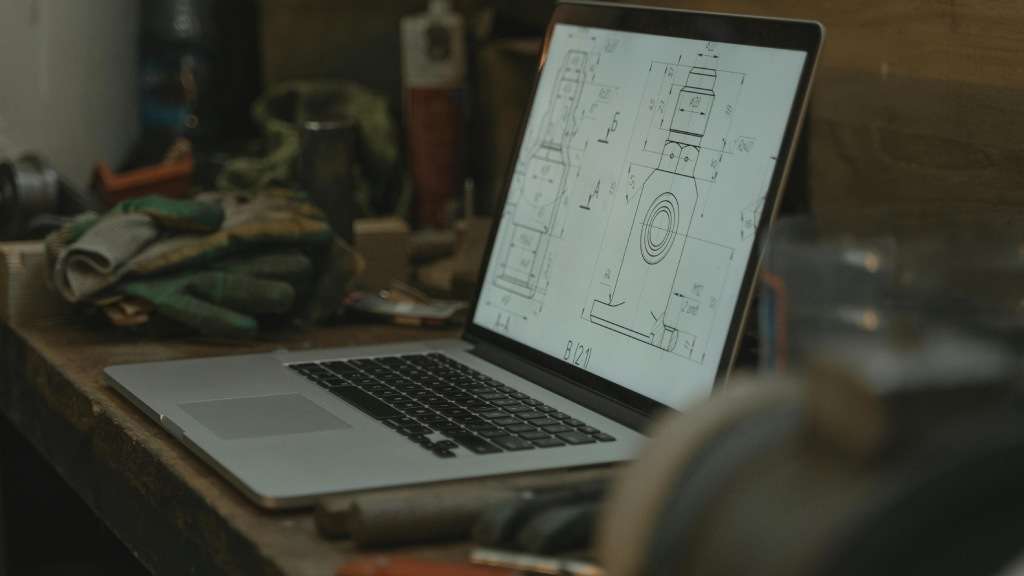
At Dipec, we work directly with your CAD files or drawings to turn your design ideas into reality.
3. Fast Turnaround & Prototyping
Need plastic components quickly? CNC machining is perfect for rapid prototyping and short production runs.
Once the design is programmed, the manufacturing process is highly automated – reducing production time dramatically compared to traditional manual methods.
This allows for:
- Fast lead times
- Quick design revisions
- Efficient production of prototypes and final parts
4. Consistent Quality & Repeatability
One of the greatest advantages of CNC machining is repeatability. Every part is manufactured exactly the same – maintaining consistent quality across production runs.
At Dipec, we have strict quality control procedures in place to ensure every component meets our exacting standards.
5. Wide Range of Plastic Materials
The process is compatible with a vast array of engineering plastics, including:
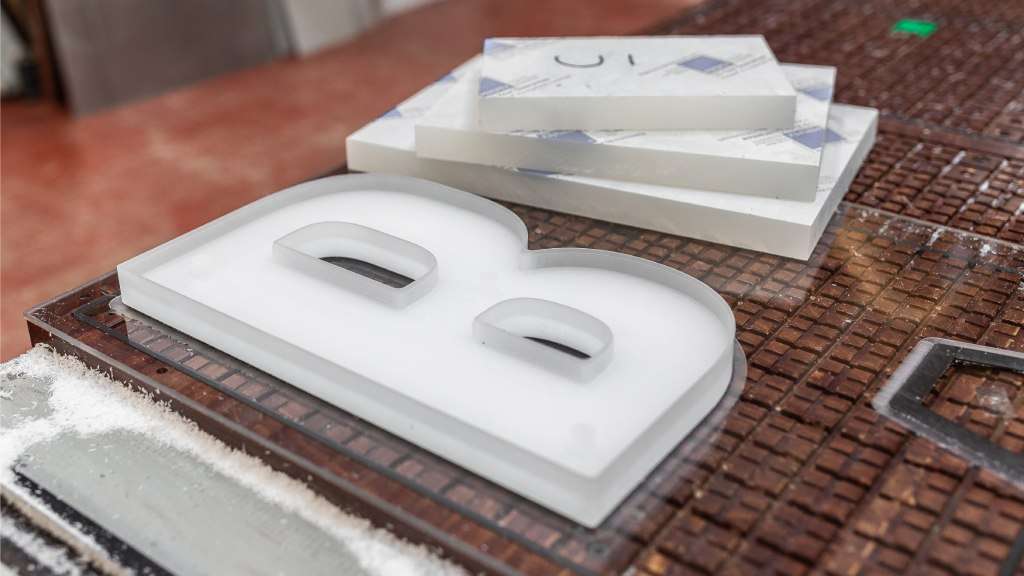
- Acrylic (PMMA)
- Polycarbonate
- Nylon (PA6, PA66)
- Acetal (POM/Delrin)
- PTFE (Teflon)
- PEEK
- PVC
- Polypropylene
- …And many more
Each material offers unique benefits such as chemical resistance, thermal stability, optical clarity, or mechanical strength – and we can advise on the best material for your project.
6. Cost-Effective for Low to Medium Volume Production
Unlike plastic injection moulding (which requires expensive tooling), CNC machining is highly cost-effective for smaller production runs.
This makes it ideal for:
- Bespoke or one-off components
- Prototypes and product development
- Custom replacement parts
- Specialist industry-specific projects
7. Minimal Waste & Eco-Friendly Manufacturing
CNC machining is a subtractive process – but with advanced programming and careful planning, material waste is kept to a minimum.
❓ Did you know? At Dipec, we prioritise sustainability wherever possible. Our eco-conscious approach means we recycle waste material and operate energy-efficient machinery – supporting greener manufacturing practices.
Why Choose Dipec for Custom Plastic Components?
As a UK-based plastic fabrication specialist, Dipec offers:
- Decades of experience in CNC plastic machining
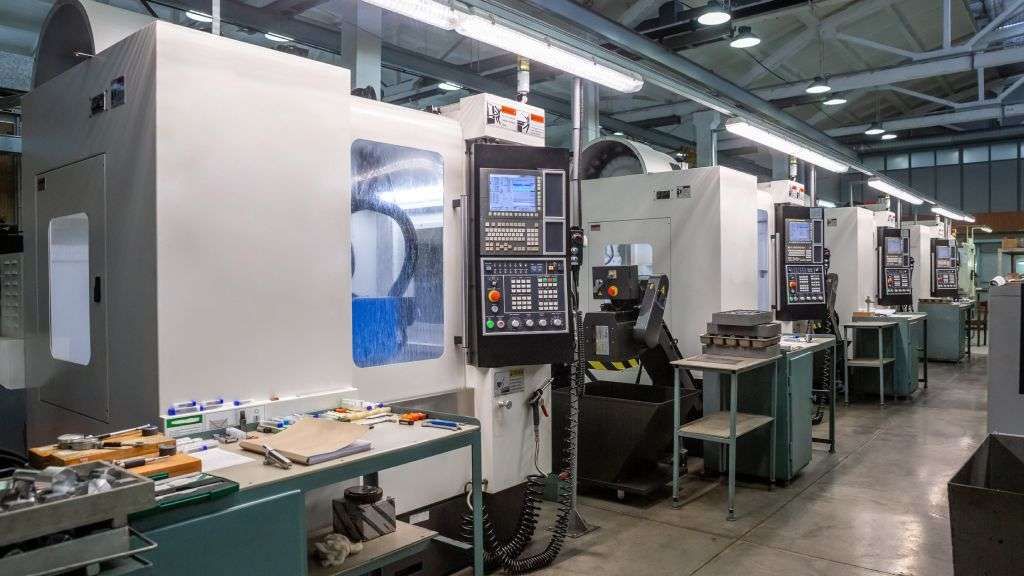
- State-of-the-art CNC machinery
- Skilled technicians and in-house expertise
- Quality assurance processes
- Fast lead times & responsive customer service
- Bespoke solutions for any industry
We take pride in being one of the UK’s leading plastic machining companies – delivering premium-quality, custom plastic components for businesses across the UK and beyond.
Typical Industries We Serve
We manufacture plastic parts for a wide range of industries, including:
- Aerospace
- Medical & Healthcare
- Automotive
- Electronics
- Food Processing
- Construction
- Industrial & Manufacturing
💡 Tip: Always consult with an expert to choose the correct plastic material for your application – each material has specific properties suited to different environments.
📖 Read: What Is CNC Machining? Everything You Need to Know
If you’re looking for a reliable, expert partner for CNC plastic machining in the UK – look no further than Dipec. Our combination of precision manufacturing, expert knowledge, and customer-first approach ensures your plastic components are produced to the highest possible standards.
FAQs
CNC machining is compatible with a wide range of plastic materials, each offering distinct properties.
Commonly machined plastics include:
Acrylic (PMMA): Known for its optical clarity and weather resistance, making it ideal for display cases and signage.
Polycarbonate: Offers high impact resistance and is used in applications like protective covers and enclosures.
Nylon (PA): Features good mechanical strength and wear resistance, suitable for gears and bearings.
Acetal (POM): Provides low friction and dimensional stability, commonly used in precision parts.
PEEK: A high-performance plastic with excellent chemical resistance and thermal stability, used in aerospace and medical components.
The choice of material depends on the specific requirements of your application, such as strength, temperature resistance, and environmental factors.
While both CNC machining and 3D printing are used for creating custom plastic components, they differ significantly:
Precision: CNC machining offers higher dimensional accuracy and better surface finishes compared to most 3D printing methods.
Material Properties: Machined parts retain the full properties of the base material, whereas 3D printed parts may have anisotropic properties and lower strength.
Production Volume: CNC machining is more cost-effective for low to medium production volumes, while 3D printing is ideal for prototyping and complex geometries.
Lead Time: CNC machining typically has shorter lead times for parts requiring high precision and post-processing.
Choosing between the two depends on factors like required tolerances, material properties, production volume, and budget.
Yes, the process is versatile enough to handle both prototyping and full-scale production:
Prototyping: Allows for rapid development of functional prototypes with production-grade materials, facilitating design validation and testing.
Full-Scale Production: Offers consistent quality and repeatability, making it suitable for producing large quantities of parts with tight tolerances.
This flexibility enables businesses to streamline the transition from prototype to production without changing manufacturing methods.
CNC machining of plastics has several environmental aspects to consider:
Material Waste: As a subtractive process, CNC machining generates waste material; however, efficient programming and nesting can minimise this.
Recyclability: Many plastic chips and offcuts can be recycled, reducing environmental impact.
Energy Consumption: Modern machinery is energy-efficient, and facilities can further reduce their carbon footprint by using renewable energy sources.
Implementing eco-friendly practices in any plastic fabrication method contributes to sustainable manufacturing processes.
The complexity of a part directly influences the cost of CNC machining:
Design Intricacy: Complex geometries require more intricate tool paths and longer machining times.
Tight Tolerances: Achieving very tight tolerances may necessitate slower machining speeds and additional quality checks.
Multiple Setups: Parts requiring machining on multiple faces may need several setups, increasing labour and time.
Simplifying designs where possible can help reduce machining costs without compromising functionality.
Post-processing enhances the functionality and aesthetics of CNC machined plastic parts:
Deburring and Polishing: Removes sharp edges and improves surface finish.
Painting and Coating: Adds colour, UV protection, or chemical resistance.
Assembly: Combining multiple components into a final product.
Laser Engraving: For adding logos, serial numbers, or other markings.
Selecting appropriate post-processing steps depends on the intended use and performance requirements of the part.
Yes, adhering to certain design principles can better optimise parts for manufacture:
Avoid Undercuts: These require specialised tooling and increase machining complexity.
Uniform Wall Thickness: Ensures consistent material removal and reduces the risk of warping.
Standard Hole Sizes: Facilitates the use of standard drill bits, reducing machining time.
Fillets on Internal Corners: Allows for smoother tool movement and reduces stress concentrations.
Incorporating these guidelines during the design phase can lead to more efficient and cost-effective manufacturing.
Yes – the manufacturing process is perfect for small batch production, prototypes, and even one-off bespoke plastic components. Unlike processes such as injection moulding, which require costly tooling and high-volume production to be cost-effective, CNC machining allows for the creation of high-quality parts without expensive setup costs. This makes it ideal for custom projects, product development, or when testing a concept before full-scale production. At Dipec, we specialise in delivering precision-engineered plastic parts in any quantity – from single items to production runs.
CNC machining offers exceptional accuracy for plastic parts – often achieving tolerances of ±0.05mm or better depending on the material and complexity of the component. Advanced machinery combined with expert programming and quality control ensures consistent results across multiple parts. This level of precision is essential for industries where components need to fit together perfectly or meet strict specifications, such as medical, aerospace, electronics, and engineering sectors.
The process can be a more eco-friendly option for plastic fabrication compared to some traditional manufacturing methods. At Dipec, we adopt environmentally conscious practices throughout our entire range of plastic fabrication services.
Benefits include:
– Minimal material waste due to precise cutting and nesting processes
– Use of recyclable plastic materials where suitable
– Efficient energy consumption with modern CNC machinery
– Commitment to responsible material sourcing
– Recycling of off-cuts and waste plastic where possible
We understand the importance of sustainability and actively support businesses looking for greener manufacturing solutions in plastic fabrication.


